Walks

London

London cover picture
8 mi (13 km)< 1 monthShort1 sections14 walking now

About this walk

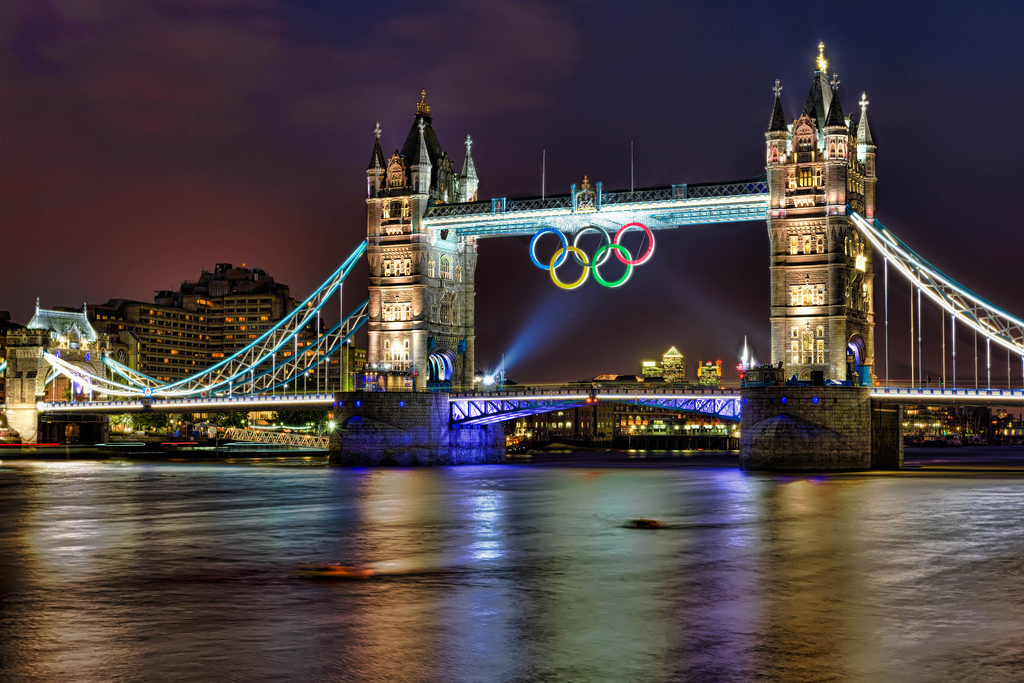
Embark on the ultimate London walking adventure, spanning 12.95 km and ten iconic landmarks! Begin at Shakespeare's Globe for a taste of history, then explore the rich collections of The British Museum. Delve underground to the Churchill War Rooms, uncovering secrets of the past. Admire the architectural grandeur of Westminster Abbey and take a leisurely stroll through the serene Hyde Park. Witness royal history at Buckingham Palace, and feel the vibrant energy of Covent Garden. Continue to the majestic Palace of Westminster, and enjoy breathtaking views from the London Eye. Conclude at the iconic Tower Bridge, capturing the heart of London in one unforgettable journey!

Route outline

  1. Covent Garden · mile 0
  2. Tower Bridge · mile 8

The first stories on the trail

Each checkpoint on the trail has a story that opens in the app when you reach it. Here are the first 3.

Covent Garden

We start today’s walk in Covent Garden, a popular market in London. King John established Covent Garden in the 13th century as a large kitchen garden for the Abbey of St Peter at Westminster. Since that time, the Covent Garden was always known as a source of “fresh fruit and veg.” Perhaps the most popular London market today, visitors can shop, eat and drink in the covered market that offers a variety of shops and restaurants.

Nearby, visitors can attend an opera or a ballet, or watch one of the talented street performers in the West Piazza.

Many other markets are located in London including the Borough, Camden and Old Spitalfields markets, and each have something different to offer.


The British Museum

Founded in 1753, the British Museum is the oldest national public museum in the world. It was established by an act of Parliament when Sir Hans Sloane, a physician, naturalist and collector, contributed over 71,000 objects to King George II through his will. In return for the objects, King George II distributed 20,000 pounds to Sloane's heirs. When the museum opened to the public in 1759, “all studious and curious persons” were allowed free entry. Around 5,000 people per year visited the museum in the first few years it was open.

The museum has remained opened since its establishment with the exception of periods during both world wars. Today, the museum receives about 6 million visitors per year and is still free to enter. Visitors will be awed by the many rare artifacts that the museum displays including the Rosetta Stone and Parthenon Sculptures.

Visitors can also find beauty in the museums architecture.

Hyde Park

Welcome to Hyde Park, one of the largest parks in Central London. Before Hyde Park opened to the public in 1637, Henry VIII established the area as a private hunting ground for himself and his court. In 1665, many citizens of London took refuge here in an attempt to escape the Great Plague.

In 1866, Edmund Beales’ Reform League marched on Hyde Park and held protest demonstrations. The Prime Minister allowed these demonstrations to continue and the “Speaker’s Corner” was born, a place of free speech and venue for many speeches and debates. Now, anyone can come to the Speaker's Corner and say anything they want without police interference as long as there are no complaints.

Also located in the park is the Princess Diana Memorial Fountain. The fountain is designed with water flowing from two high points and passing over a variety of water features before meeting back in the middle at the bottom. This is to reflect Princess Diana’s quality and openness. Visitors to the fountain are encouraged to dip their feet into the running water to refresh their feet and to reflect on Princess Diana’s life.

The rest of the stories open in the app as you walk.

Walk the London with Walk The Distance, on iPhone and Android

Download on the App StoreGet it on Google Play

Want to walk it with your team? See how walking challenges for groups work.

More trails